
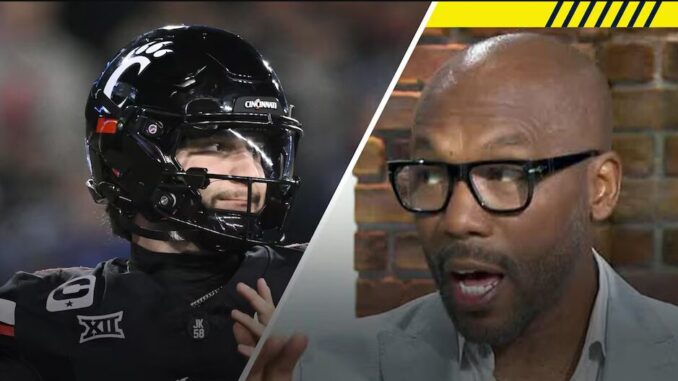
The Big 12’s presidents and chancellors have not moved quickly to withdraw the conference’s recently filed federal lawsuit because uncertainties remain surrounding Texas Tech quarterback Brendan Sorsby’s NFL prospects and any potential legal consequences, a conference source told ESPN on Friday night.
According to sources, the Big 12 board of directors is expected to hold a conference call early next week to evaluate its options moving forward. There are ongoing questions about whether the league could face any legal liability and how Sorsby’s acknowledged gambling history could affect matters involving the NFL.
“We don’t have clear answers to those questions yet,” the source said. “Nothing has changed for us at this stage. We’ll meet again next week to review every possible path forward. As of now, the lawsuit remains active.”
On Monday, the Big 12 filed a federal lawsuit in the Northern District of Texas seeking a declaratory judgment and injunctive relief that would affirm the conference’s authority under its bylaws to potentially discipline Sorsby.
Sorsby, who acknowledged violating NCAA gambling rules by placing thousands of bets — including 40 wagers on Indiana football while he was a member of the team — has withdrawn his lawsuit against the NCAA and submitted an application for the NFL supplemental draft. He dropped the legal challenge because he must officially be declared ineligible for college competition by Monday in order to qualify for the supplemental draft.
The NFL must still approve Sorsby’s application before a 2026 supplemental draft can take place later this summer.
The league has not held a supplemental draft since 2023, and no player has been selected through the process since 2019, when the Arizona Cardinals used a fifth-round selection on safety Jalen Thompson. The most recent quarterback to enter the supplemental draft was Terrelle Pryor, whom the Raiders acquired with a third-round bid in 2011.
Meanwhile, a Big 12 athletic director said the conference could still explore disciplinary measures involving Texas Tech. According to the source, the issue is not necessarily about punishing the school but rather determining who should be responsible for the legal expenses generated by the dispute.
“There may still need to be consequences for Texas Tech, even if this situation ultimately gets resolved,” the source said. “People have pointed out that legal costs have already been incurred. Is it fair for all 16 member schools to split those expenses when they had no role in initiating this? Those are some of the issues that will need to be addressed, and they will be.”
Leave a Reply