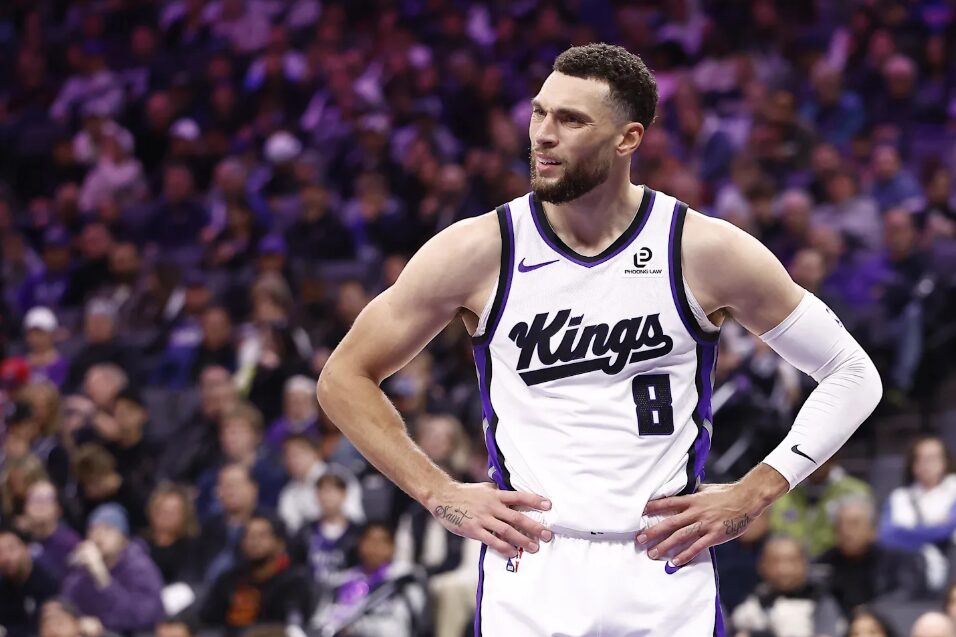
This trade proposal would allow the Sacramento Kings to let go of Zach LaVine.
The Sacramento Kings could consider a creative salary-balancing deal with the Brooklyn Nets, one that swaps sizable contracts while better aligning each team with its current direction.
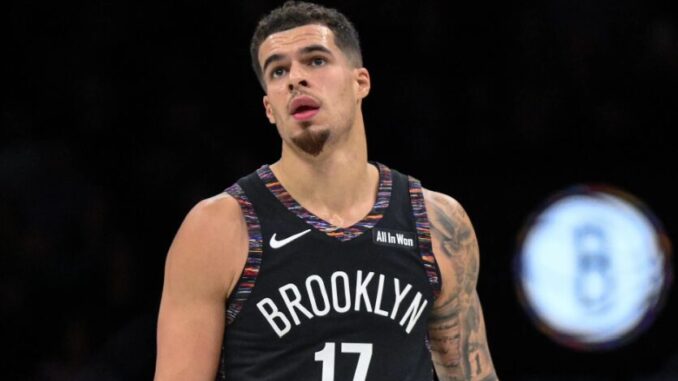
In this scenario, Sacramento would land Michael Porter Jr. and Terance Mann, while Brooklyn would take on Zach LaVine and Devin Carter.
Financially, the deal checks out and allows both franchises to reshape their rosters without adding significant long-term risk beyond their current commitments. Sacramento has been looking for ways to rebalance its lineup, get younger in certain areas, and add more size on the wing, while Brooklyn remains focused on maintaining flexibility and targeting upside.
Such a move wouldn’t necessarily indicate a full rebuild for either team, but rather a strategic reset aimed at addressing roster weaknesses and financial considerations. With both organizations in transitional stages, a deal like this could quietly solve multiple issues at once.
Why the Nets do it
For the Brooklyn Nets, the appeal begins with Zach LaVine’s scoring ability and star presence—something the franchise has been missing since moving on from its previous headliners. LaVine would step in as a primary offensive option, capable of creating his own shot, stretching defenses, and serving as a reliable late-game scorer.
Although his contract is sizable, Brooklyn is in a position where adding a high-level scorer could help speed up its competitive timeline or rebuild his trade value—similar to how the team has handled players like Cam Johnson and Michael Porter Jr. in past roster cycles. If LaVine thrives in a featured role, the Nets could eventually move him at the trade deadline for additional draft assets, turning the deal into more of a short-term asset play than a long-term commitment.
Brooklyn would also get an extended look at Devin Carter, who showed flashes late in the season as an active defender and improving secondary playmaker. He offers a younger backcourt option for a team still searching for clarity at the guard position, and his defensive energy and upside make him an intriguing developmental piece in a system that values experimenting with young talent.
Parting with Michael Porter Jr. and Terance Mann would also open up additional financial flexibility, particularly with Mann’s deal providing a pathway to long-term savings. It would help streamline the roster as well, allowing the Nets to focus on players who better fit their timeline instead of juggling overlapping wing options without a clear pecking order.
Why the Kings do it
From the Sacramento Kings’ perspective, acquiring Michael Porter Jr. would address a key need by adding a high-level scoring forward. His floor spacing, efficient shooting, and ability to generate offense without dominating the ball would fit well alongside players like Domantas Sabonis and Keegan Murray.
The Kings would essentially be banking on Porter’s size and scoring versatility on the wing—an area that has consistently been exposed against top teams in the Western Conference. When healthy, he brings a different offensive dimension that forces defenses to respect multiple scoring threats.
Terance Mann would add further value as a defense-first wing capable of guarding multiple positions while thriving in a low-usage role. His physicality and versatility would help stabilize Sacramento’s rotation, particularly in lineups that have struggled defensively.
In this scenario, moving Zach LaVine allows the Kings to offload a significant expiring contract and redistribute those resources across two players who better complement the roster. Including Devin Carter helps balance the deal financially while also giving Sacramento another young guard to evaluate as they continue blending immediate contributors with long-term development pieces.
In the end, a deal like this highlights two teams addressing different needs through the same transaction. The Sacramento Kings would be emphasizing roster balance, added size, and greater flexibility, while the Brooklyn Nets would be taking a calculated gamble on high-end scoring and potential asset value down the line. Sacramento would be counting on Michael Porter Jr.’s scoring and Terance Mann’s versatility to build a more well-rounded rotation around Domantas Sabonis and Keegan Murray.
Meanwhile, Brooklyn would lean into its upside-focused approach, hoping Zach LaVine can boost the offense or eventually be flipped for draft capital, while also developing Devin Carter as part of its future backcourt. Deals like this are rarely flawless, but they often hinge on fit, direction, and timing. If both sides fully commit to their respective plans, the framework is there for the move to benefit each franchise moving forward.

Leave a Reply