
For Ryan Silverfield, Arkansas Needs Direction More Than Immediate Wins
FAYETTEVILLE, Ark. — Arkansas fans can handle rebuilding. What they can’t handle anymore is uncertainty.
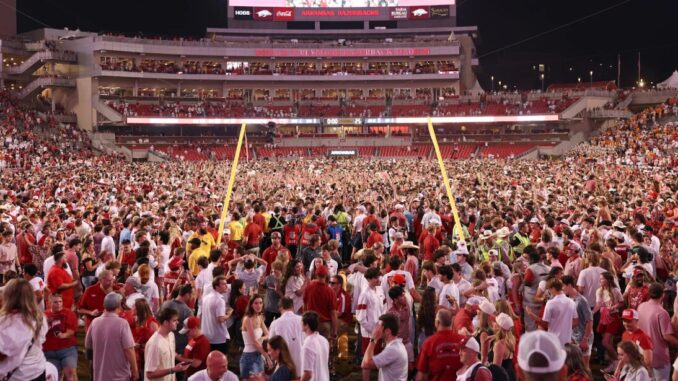
Ever since Sam Pittman lost coordinators Kendal Briles and Barry Odom, the Razorbacks program has seemed stuck without a clear identity or long-term vision. There have been occasional flashes of progress over the last decade-plus, but sustained momentum has consistently slipped away.
That’s why expectations surrounding first-year coach Ryan Silverfield remain difficult to define. The issue isn’t simply how many games Arkansas will win in 2026 — it’s whether the program finally looks like it’s moving toward something stable and sustainable.
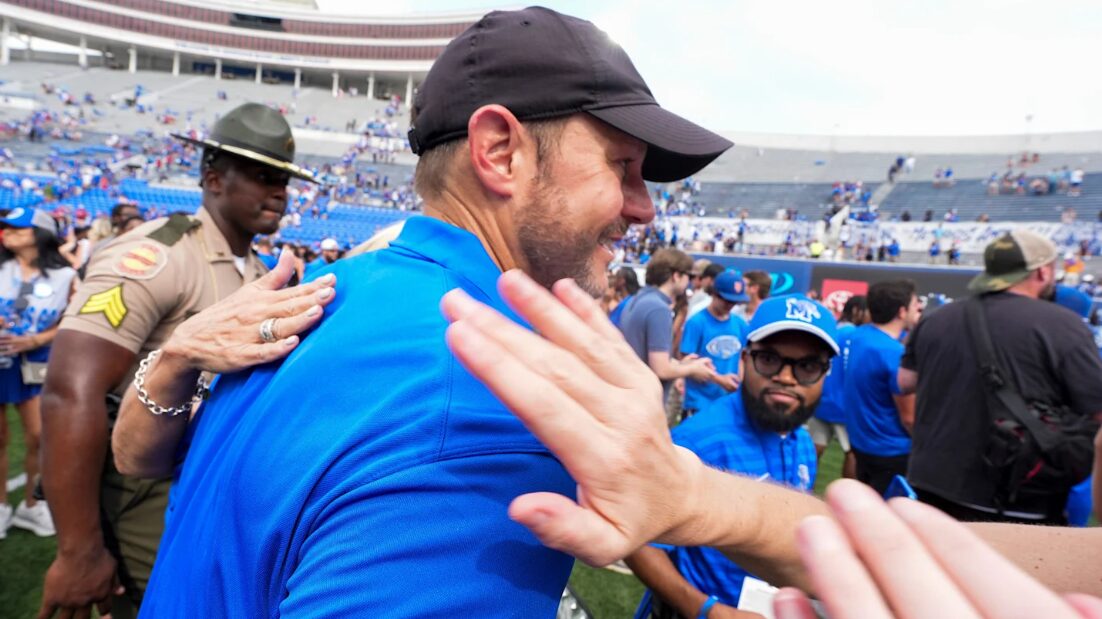
At Memphis, Silverfield at least demonstrated consistency. The Tigers reached six straight bowl games during his tenure and posted consecutive double-digit win seasons in 2023 and 2024. Even in 2025, Memphis appeared poised for another strong finish before the season unraveled late.
That late-season collapse matters because, as legendary Arkansas coach Frank Broyles famously said, “They always remember what you do in November.”
And November has been brutal for Arkansas for a long time.
Since 2012, the Razorbacks have compiled a miserable 17-37 record in November games, repeatedly watching promising seasons collapse down the stretch. More often than not, Arkansas enters the final month of the season with little meaningful left to play for.
Silverfield’s Memphis teams, meanwhile, went 13-9 in November during his tenure, including three wins last season. That type of late-season competitiveness is exactly what Arkansas desperately needs to rediscover.
To make that happen, Silverfield first had to build a staff capable of creating structure and identity.
Offensively, that starts with coordinator Tim Cramsey, who has worked alongside Silverfield since 2022. Their system emphasizes physical running attacks designed to wear defenses down before attacking vertically for explosive plays.
The biggest offensive question entering the fall is quarterback play. Both KJ Jackson and AJ Hill struggled pushing the ball downfield consistently, though familiarity with receivers and overall offensive cohesion could improve that area over time.
Defensively, Arkansas may have made its most important hire in veteran coordinator Ron Roberts.
Roberts has produced winning defenses throughout his career, from Delta State to Louisiana, Baylor, Auburn, and Florida. His 2024 Florida defense ranked among the nation’s best in red-zone defense, sacks, turnovers forced, and takeaways, helping the Gators finish the season on a four-game winning streak that included major SEC upsets.
Now Roberts is tasked with rebuilding an Arkansas defense featuring revamped personnel, athletic linebackers, improved edge rushers, and more playmaking ability in the secondary.
Special teams also received attention with the addition of longtime coach Chad Lunsford, whose reputation for quickly rebuilding programs could help stabilize an area that plagued Arkansas with mistakes under the previous staff.
Silverfield’s “all in” messaging may not resonate immediately with a fanbase exhausted by years of recycled slogans and empty promises. Arkansas supporters have heard plenty of catchphrases before.
What they want now is visible progress.
Recruiting may offer the earliest sign that things are trending upward. Arkansas has already generated momentum with several high-profile recruits planning official visits, and Silverfield appears focused on strengthening in-state recruiting while expanding into nearby regions.
The transfer portal results and recent recruiting efforts also suggest Arkansas has the financial backing and resources needed to compete in the modern college football landscape.
Athletic director Hunter Yurachek understands how important this hire is to the future of the athletic department as a whole. Arkansas football remains the engine that drives the program financially and culturally, making long-term stability critical.
Still, most Razorback fans aren’t demanding instant championships.
They know Arkansas isn’t suddenly catching programs like Georgia, Texas, or LSU overnight. A six- or seven-win season in Year One would likely be acceptable if there’s evidence the foundation is improving.
That’s the key difference.
Fans can tolerate losses if they believe the roster is getting tougher, player development is improving, and the overall culture is becoming more disciplined and competitive. What has worn them down over the years is the constant cycle of brief optimism followed by collapse, transfers, and unmet expectations.
For Silverfield, success in 2026 may not ultimately be measured by wins alone. It may instead come down to whether Arkansas finally looks like a program building toward a real future instead of merely trying to survive another season.
Leave a Reply