NASCAR Hit with Huge Mega Update

“I Wanna Stay”: Cup Driver Sends Emotional Message as NASCAR Team Gets 10-Month Lifeline

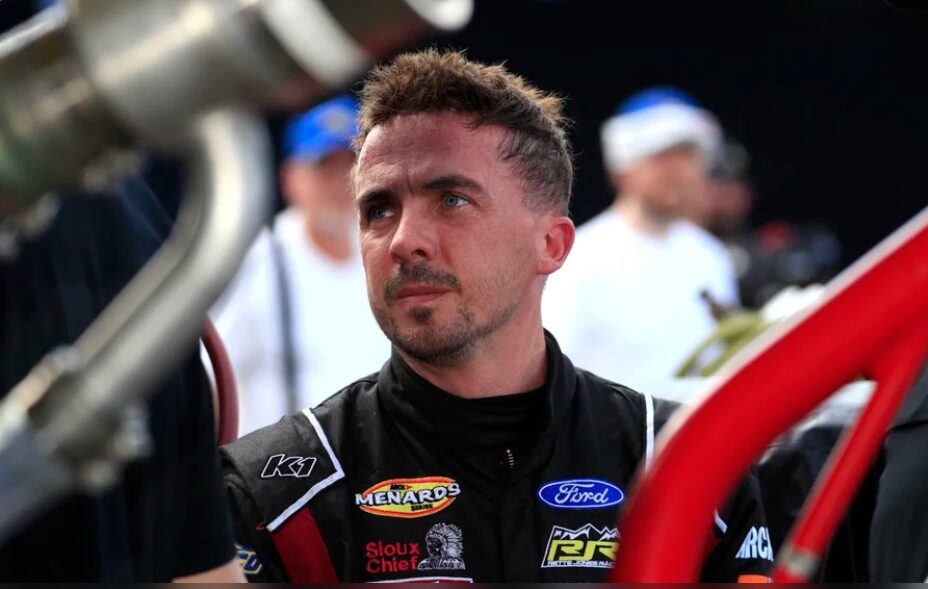
When Ryan Preece joined RFK Racing ahead of the 2025 NASCAR season, he was the final driver from the former Stewart-Haas Racing lineup to secure a new ride after that team’s sudden shutdown. At the time, Preece had yet to record a Cup Series win in 187 starts and had never made the playoffs across five full-time seasons. His No. 60 Ford also came with uncertainty, operating under a leased charter through a short-term arrangement with Rick Ware Racing that offered a seat but not long-term security.

Preece made his feelings about the situation clear, expressing a strong desire to remain with the team. “I want to stay at RFK. I really do,” he said. “I like where I’m at. I’ve worked hard to be in an organization that gives me the tools, the people, and the opportunity to produce results and build something.”

That desire comes with uncertainty, as his current deal only guarantees him a seat through the 2026 season. RFK co-owner Brad Keselowski also noted that the charter market remains dry, with no known available options for purchase at the moment.

Despite the instability, Preece has shown significant improvement. In 2025, he recorded three top-five finishes, 14 top-10s, and a 15.7 average finish, marking the No. 60 team as one of the season’s biggest surprises in its first full-time year. His previous best was a 20.8 average finish during his final season with Stewart-Haas Racing in 2023.

He also captured a win in the 2026 Cook Out Clash at Bowman Gray Stadium, and has posted a strong 12.6 average finish in the races following the Daytona 500.

Reflecting on the progress, Preece said, “Winning is winning. It doesn’t matter if it’s a points race or not. It shows what this No. 60 team is capable of. We’ve built consistency, and I feel like the sky’s the limit with our chemistry and communication.”

Still, his future remains unresolved, and he now admits a decision timeline is approaching, saying the situation will likely need to be settled by February, if not sooner.

Charter uncertainty adds pressure

The uncertainty stems from broader charter complications in NASCAR. A legal dispute involving Rick Ware Racing and Legacy Motor Club was settled in 2025, but it effectively tightened the timeline for RFK Racing’s charter situation.

Without a charter, Preece could be at risk of losing his Cup Series seat entirely, since teammates have more secure long-term positions. RFK would also lose valuable performance data from a third car, while Ford’s limited Cup program would take another hit.

At the same time, NASCAR’s charter market has become dramatically more expensive. Following recent legal settlements involving other teams, estimates suggest charter values could rise into the $80–100 million range. Keselowski explained that charters generate roughly $4–10 million in annual revenue, and are typically valued at a multiple of that figure depending on performance and desirability.

Top-tier charters owned by powerhouse organizations are rarely sold, while lower-tier ones occasionally move—recently in the $40–50 million range.

He summarized it simply: depending on revenue multiples, charters could reasonably fall anywhere between $40 million and $80 million in today’s market.

RFK’s limited options

The modern charter system began in 2016 at about $2 million per charter, but values have since skyrocketed. RFK Racing missed a key opportunity when Stewart-Haas Racing shut down after 2024, releasing four charters that were quickly purchased by other teams, leaving RFK empty-handed.

Other potential avenues, such as acquiring a charter from what became Hyak Motorsports, also failed to materialize despite speculation. Meanwhile, RFK did secure sponsorship from Kroger, which now plays a major role in funding all three of its cars.

That sponsorship agreement is tied closely to RFK’s multi-car structure, and any reduction in entries could trigger reduced funding or even withdrawal from the program.

What’s at stake

If RFK loses its third charter, it would not just mean shrinking the team—it could reshape its entire competitive strategy. For now, the organization is focused on performance as its best leverage, using results on track to strengthen its position before key deadlines arrive.

With roughly 10 months remaining on the current lifeline, the situation heading into 2027 could define both RFK Racing’s future and Ryan Preece’s place in the Cup Series.

Be the first to comment

Leave a Reply

Your email address will not be published.


*